


The Five Pillars to Bone Health
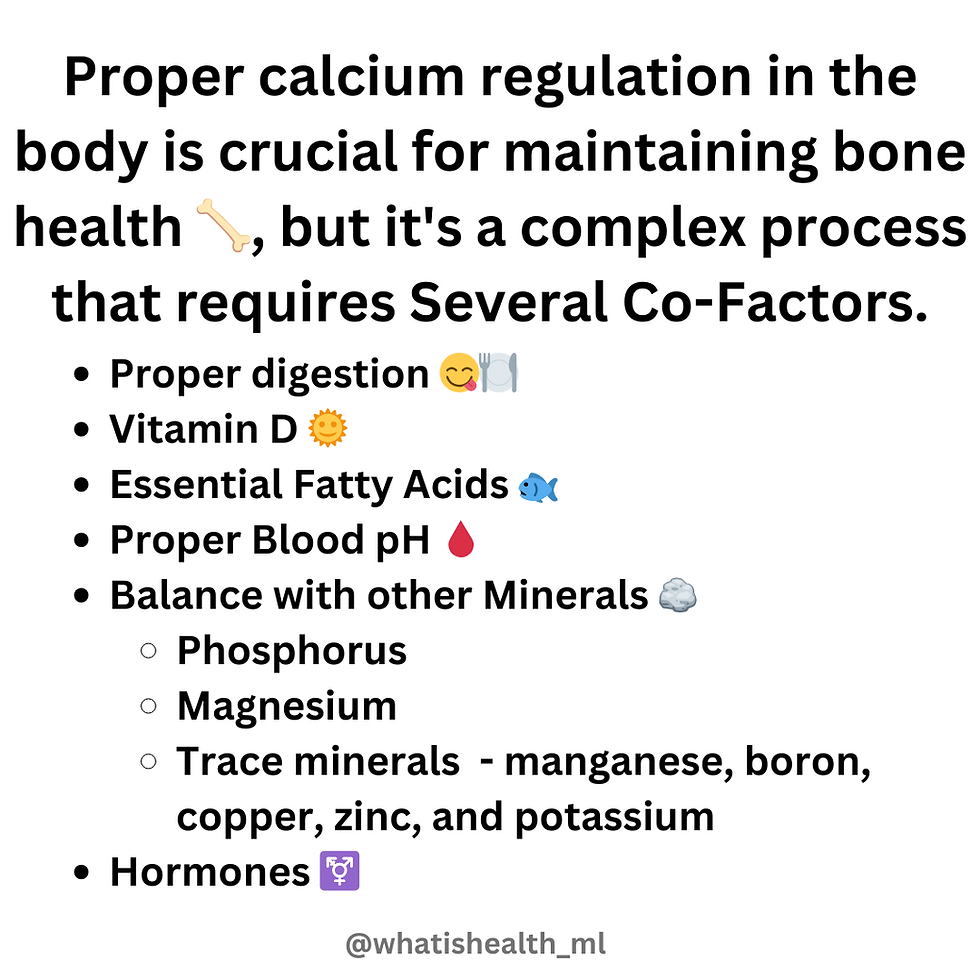
When most people think about bone health, calcium is the first thing that comes to mind. While calcium is important, it's just one piece of the puzzle. Bone health is much more complex and influenced by nutrition, movement, daily habits, hormones, and something most people never consider — the health of your gut.
Here's the truth: bone loss is silent — you usually don't know it's happening until it's already advanced. The good news? You can take powerful steps now to build and maintain strong bones — at any age. Let's walk through the five pillars that give your bones a solid foundation for life.

Nutrition: The Building Blocks for Strong Bones
Bones are living tissue. They are constantly breaking down and rebuilding — a process called remodeling. For this to happen properly, your body requires the right nutrients:
Protein is essential for collagen production, which makes up the flexible framework of bone. In fact, bone is approximately 50% protein by volume — yet it's one of the most underappreciated nutrients for skeletal health.
Calcium and magnesium work together to create density and strength. Magnesium also activates vitamin D and regulates calcium.
Vitamin D is crucial for calcium absorption and overall bone metabolism, while Vitamin K2 directs calcium into the bones and teeth — where it belongs — rather than into arteries and soft tissues.
Trace minerals like zinc, boron, manganese, and copper are vital cofactors for bone growth and repair that rarely get the attention they deserve.
💡 Tip: A nutrient-dense, whole-food diet rich in leafy greens, nuts, seeds, clean proteins, fermented foods, and mineral-rich vegetables supports this process naturally. If digestion is compromised, your body may not absorb these nutrients efficiently — something worth exploring with functional testing.
Exercise: Stress That Strengthens
One of the most effective ways to protect your bones is to use them. Bones get stronger when they're stressed through movement.
Weight-bearing exercise like walking, hiking, or tennis stimulates new bone growth.
Strength training with weights or resistance bands increases bone density and improves the muscle strength needed to support your skeleton.
Balance and flexibility work — yoga, Pilates, tai chi — lowers the risk of falls and fractures, which matters just as much as density.
💡 Tip: Aim for at least 2–3 sessions of strength training each week, combined with daily walking or other weight-bearing activity. Short, consistent sessions are often more beneficial — and more sustainable — than sporadic, high-intensity workouts.
Lifestyle: Everyday Choices That Matter
Your bones are shaped not just by what you eat or how you move, but by your daily habits.
Excessive alcohol and caffeine can deplete calcium and weaken bones over time.
Smoking interferes with bone repair and increases fracture risk. Chronic stress drives up cortisol, which actively breaks down bone tissue. And poor sleep quietly undermines your body's ability to repair and remodel — because much of that work happens overnight.
On the flip side, something as simple as daily sunlight exposure supports vitamin D production, which is critical for bone health.
💡 Tip: Think of lifestyle as the "silent shaper" of bone health. Even small changes, better sleep, reducing alcohol, getting outside each day, add up meaningfully over time.
Balanced Hormones: The Hidden Key
Hormones play a critical role in bone turnover, and when they're out of balance, bone loss accelerates — often without any obvious symptoms.
Estrogen slows bone breakdown, which is why women experience rapid bone loss during and after menopause.
Progesterone helps stimulate bone-building activity.
Testosterone, in both men and women, supports muscle mass and bone strength.
And thyroid and cortisol imbalances can either speed up bone breakdown or interfere with repair — something many people never connect to their bone health.
💡 Tip: If you're in perimenopause, menopause, or dealing with thyroid or adrenal concerns, consider functional testing to assess your hormone balance. Supporting hormones naturally — or with bioidentical hormone replacement when appropriate — can be a game-changer for bone protection.
Gut Health & the Microbiome: The Pillar Most People Miss
This is the pillar I find myself talking about more and more with clients, and the one that surprises people the most.
Your digestive system determines how well you absorb the nutrients your bones depend on. Even the most carefully planned diet can fall short if your gut isn't breaking things down and absorbing them properly. Low stomach acid, chronic inflammation, and imbalances in the gut microbiome can all interfere with your ability to absorb calcium, magnesium, vitamin D, zinc, and other key bone-building nutrients.
But the gut's influence goes even further than absorption. Research shows that the trillions of bacteria living in your digestive tract help regulate inflammation, immune function, estrogen metabolism, and bone remodeling activity. When the microbiome is healthy and diverse, it creates an internal environment that actively supports stronger bones.
💡 Tip: Support your gut by eating a wide variety of plant foods, getting adequate fiber, and including fermented foods when tolerated. Managing stress and addressing underlying digestive concerns matters here too. If you've been doing everything "right" for bone health and still not seeing results, your gut may be the missing piece, and functional testing can help identify what's getting in the way.
Final Thoughts
Strong bones don't come from one supplement, one exercise, or one healthy habit — they come from the synergy of all five pillars: nutrition, exercise, lifestyle, hormone balance, and a healthy gut. By addressing each one, you can protect your bones, reduce your risk of osteoporosis/osteopenia, and maintain the strength and independence you want as you age.
✨ Your Next Step: If you're ready to get serious about bone health, I can help you assess your nutrient status, digestion, and hormone balance through functional testing. Together, we'll create a personalized plan to keep your bones strong for life.
👉 Book a consultation with me here or join my email list to get more tips on building resilient health.


Comments